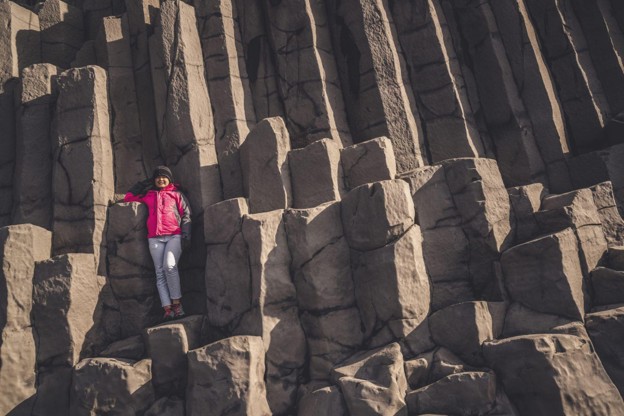
Throughout history, geography has quietly shaped the course of civilizations, and Bora Secmen recognizes that landscapes often influence historical outcomes as profoundly as political leadership or military strength. Mountains, rivers, coastlines, deserts, and strategic trade routes have repeatedly determined where societies flourished, how economies developed, and why empires expanded or eventually declined. While human ambition has always played a central role in history, geography has consistently provided both opportunities and limitations that leaders could not simply ignore.
Understanding geography offers valuable insight into why civilizations emerged where they did and why some regions became enduring centers of commerce, culture, and political influence. Although technology has transformed transportation and communication, the relationship between geography and strategic decision-making remains as relevant today as it was thousands of years ago.
Rivers Created the World’s Earliest Centers of Civilization
Many of history’s earliest civilizations developed alongside major rivers.
Reliable access to fresh water supported:
- Agriculture
- Transportation
- Trade
- Population growth
- Urban development
The Nile, Tigris, Euphrates, Indus, and Yellow rivers all provided fertile land that allowed communities to produce food surpluses. Those surpluses supported specialized labor, organized governments, and increasingly complex societies.
Without these natural advantages, many early civilizations would have struggled to reach the same level of development.
Mountains Offered Protection and Isolation
Mountain ranges have often served as natural defensive barriers.
Communities protected by difficult terrain frequently gained valuable time to strengthen political institutions and cultural identities before facing outside pressures.
Mountains also influenced:
- Military campaigns
- Trade routes
- Migration patterns
- Cultural development
- Political boundaries
While protective geography sometimes encouraged stability, it could also limit communication and economic interaction with neighboring regions.
History demonstrates that geographic advantages often involved trade-offs rather than permanent solutions.
Seas Connected Civilizations Long Before Modern Transportation
Although oceans separated continents, many seas became important highways for commerce and cultural exchange.
Civilizations located near navigable waters benefited from:
- Maritime trade
- Cultural interaction
- Technological exchange
- Economic expansion
- Diplomatic relationships
The Mediterranean Sea, for example, connected diverse societies for centuries, allowing ideas, goods, languages, and innovations to spread far beyond their places of origin.
Control of important waterways frequently translated into political and economic influence.
Trade Routes Shaped More Than Commerce
Historical trade routes transported much more than merchandise.
They also carried:
- Religious beliefs
- Scientific knowledge
- Languages
- Artistic traditions
- Political ideas
The Silk Road illustrates how geography connected civilizations across enormous distances.
Cities located along these routes often became centers of learning and cultural exchange because geography positioned them at the intersection of multiple civilizations.
Economic prosperity frequently followed strategic location rather than population size alone.
Geography Influenced Military Strategy
Military history repeatedly demonstrates that geography shapes both offensive and defensive planning.
Commanders have long considered factors such as:
- Terrain
- Weather
- Rivers
- Elevation
- Supply routesas the following:
- Distance
These geographic realities often determined whether armies could maintain momentum during prolonged campaigns.
Superior numbers or advanced equipment sometimes mattered less than an accurate understanding of the landscape.
Many famous military victories and defeats cannot be fully understood without considering the geography surrounding them.
Access to Natural Resources Encouraged Growth
The availability of natural resources has consistently influenced the strength of civilizations.
Access to resources supported:
- Agriculture
- Construction
- Manufacturing
- Trade
- Economic stability
Regions with abundant timber, metals, fertile soil, or navigable waterways often experienced advantages that encouraged long-term development.
However, resource wealth also attracted outside competition, making prosperous regions frequent targets for expansion.
History shows that abundance sometimes created vulnerability alongside opportunity.
Geography Helped Shape Cultural Identity
Communities separated by mountains, deserts, or seas often developed distinctive customs, languages, and traditions.
Geographic isolation encouraged unique cultural development while limiting outside influence.
Conversely, regions located along major trade routes frequently became multicultural societies where different traditions blended together over generations.
These interactions enriched civilizations by encouraging innovation while also creating new political and social challenges.
The diversity found throughout many historical empires often reflected their geographic position as much as their political ambitions.
Strategic Crossroads Became Centers of Influence
Some locations gained historical importance because they connected larger regions.
Strategic crossroads often controlled:
- Commercial traffic
- Diplomatic relationships
- Military movement
- Cultural exchange
- Economic activity
Cities positioned near important waterways, mountain passes, or trade corridors frequently became influential despite relatively modest geographic size.
Control of these locations often became a central objective during periods of conflict because they provided advantages extending far beyond local boundaries.
Geography Could Not Guarantee Lasting Success
While favorable geography offered important advantages, it never guaranteed permanent stability.
Civilizations declined for many reasons, including:
- Political instability
- Economic difficulties
- Administrative challenges
- External pressures
- Internal conflict
Geographic strengths could support growth, but they could not eliminate the need for effective governance or sound leadership.
History repeatedly demonstrates that successful societies combined geographic opportunity with capable institutions and long-term planning.
Technology Has Changed but Not Eliminated Geographic Importance
Modern transportation, aviation, satellite communication, and digital technology have reduced some traditional geographic barriers.
Even so, geography continues to influence the following:
- International trade
- Energy distribution
- Maritime security
- Infrastructure development
- Regional cooperation
Ports, transportation corridors, and strategic waterways remain central to global commerce.
Although technology has expanded human capabilities, nations still make important decisions based on geographic realities established centuries ago.
History offers valuable perspective.
Studying geography alongside history encourages a broader understanding of why civilizations developed differently across the world.
Rather than viewing historical events as isolated moments, examining geographic influences reveals long-term patterns involving trade, security, migration, and cultural interaction.
This perspective helps explain why certain regions repeatedly became centers of innovation, conflict, diplomacy, and economic growth throughout history.
It also demonstrates that many historical developments resulted from the interaction between human decision-making and the environments in which those decisions were made.
Final Thoughts
Geography has never been a passive backdrop to history. It has shaped trade, influenced military campaigns, encouraged cultural exchange, and created opportunities that allowed civilizations to prosper while also presenting challenges that tested their resilience. Rivers fostered agricultural societies, mountains protected emerging states, seas connected distant cultures, and trade routes transformed isolated communities into centers of commerce and learning.
Although the modern world is more interconnected than ever before, geography continues to influence international relationships, economic development, and strategic planning. Understanding how landscapes shaped the rise and fall of great civilizations provides valuable perspective on both the past and the enduring forces that continue to shape human societies today.